
October 2026 edition · Laser & light
AVAVA laser: skin tones, recovery and the questions worth asking
A patient-first guide to fractional laser treatment, individualized candidacy and planning a realistic recovery window.
Fall treatment planning · Patient education from Rapid City Dermatology & Mohs
Monthly edition date, not a claim of prior publication. General education; individual advice requires a visit.
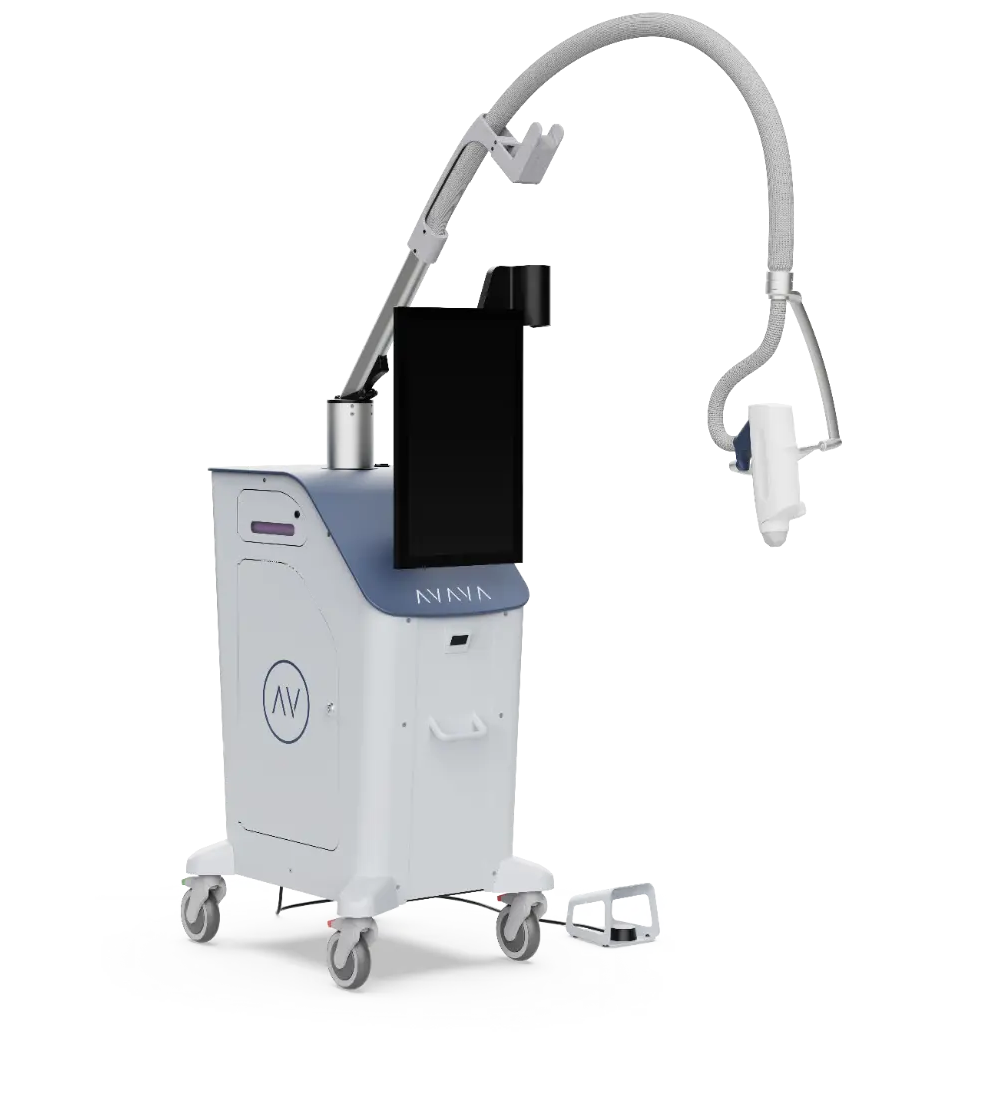
What kind of treatment is AVAVA?
AVAVA’s MIRIA platform is a non-ablative fractional laser. Fractional treatment addresses small areas within the skin while leaving surrounding tissue untreated. Its focal-point approach is designed to place energy at a selected depth beneath the surface.
Our AVAVA page discusses wrinkles, uneven texture, scarring and selected pigment concerns. Those are different goals, and they do not all require the same settings or treatment plan. A consultation determines whether laser treatment is appropriate at all.
What is AVAVA cleared for?
AVAVA holds FDA 510(k) clearances for several specific uses: the prevention (pre-rejuvenation) and treatment of skin aging; the treatment of acne scarring across all Fitzpatrick skin types (I–VI); the treatment of facial fine lines and wrinkles; and the treatment of benign pigmented skin lesions, including hyperpigmentation.
For acne scarring, manufacturer-reported clinical trials describe a median 50% reduction in scar severity, and facial wrinkle improvement was demonstrated in manufacturer-reported multi-site studies. Clearance means the device is cleared for those uses — it does not guarantee the same result for every patient, which is why candidacy is assessed individually.
Can darker skin tones be treated?
Fractional technologies have expanded options for patients across skin tones, but ‘for all skin types’ should never be read as ‘no risk.’ Skin color, recent tanning, pigment history, current skin inflammation and your treatment goals all matter.
Temporary or persistent pigment changes remain possible after laser treatment. Ask your clinician how your skin type affects the plan, whether other options are preferable and what precautions are needed. No device can guarantee a particular result.
How much recovery time should I allow?
The practice generally advises allowing a few days of visible redness, with possible warmth, swelling, dryness or fine flaking. Your actual recovery depends on the area, settings and your skin. Leave room in your calendar rather than scheduling directly before an important event.
Laser procedures can also carry risks such as burns, infection and scarring. Discuss your medications, previous reactions and cold-sore history beforehand, and follow the individualized aftercare and sun-protection plan.
Is one session enough?
A series is often planned, but the number of sessions is not the same for every concern. Dr. Gaul generally recommends about eight weeks between repeat AVAVA treatments of the same area. Timing for different areas or combined treatments is individualized.
AVAVA is not an eczema treatment. During Eczema Awareness Month, it is especially worth remembering that an active rash needs a medical assessment—not simply a resurfacing appointment.
Sources & further reading
- FDA: AVAVA device clearance record
- Journal of the American Academy of Dermatology: focal-point laser technology
- FDA: medical laser risks
Device descriptions include manufacturer information, which is not a guarantee of outcomes. Practice-specific timing and services reflect this website’s treatment information.
Related care
This page is general education and is not medical advice, diagnosis or treatment, and it does not create a physician–patient relationship. Individual circumstances differ; please discuss your own skin with a qualified clinician. If you are having a medical emergency, call 911.